Russia – Vietnam Cooperation: Nuclear Energy, Higher Education and Sustainable Development
The partnership between Russia and Vietnam has reached a new level, driven by a shared commitment to energy security, technological innovation, and human capital development.
Ninh Thuan1: A Flagship Energy Project
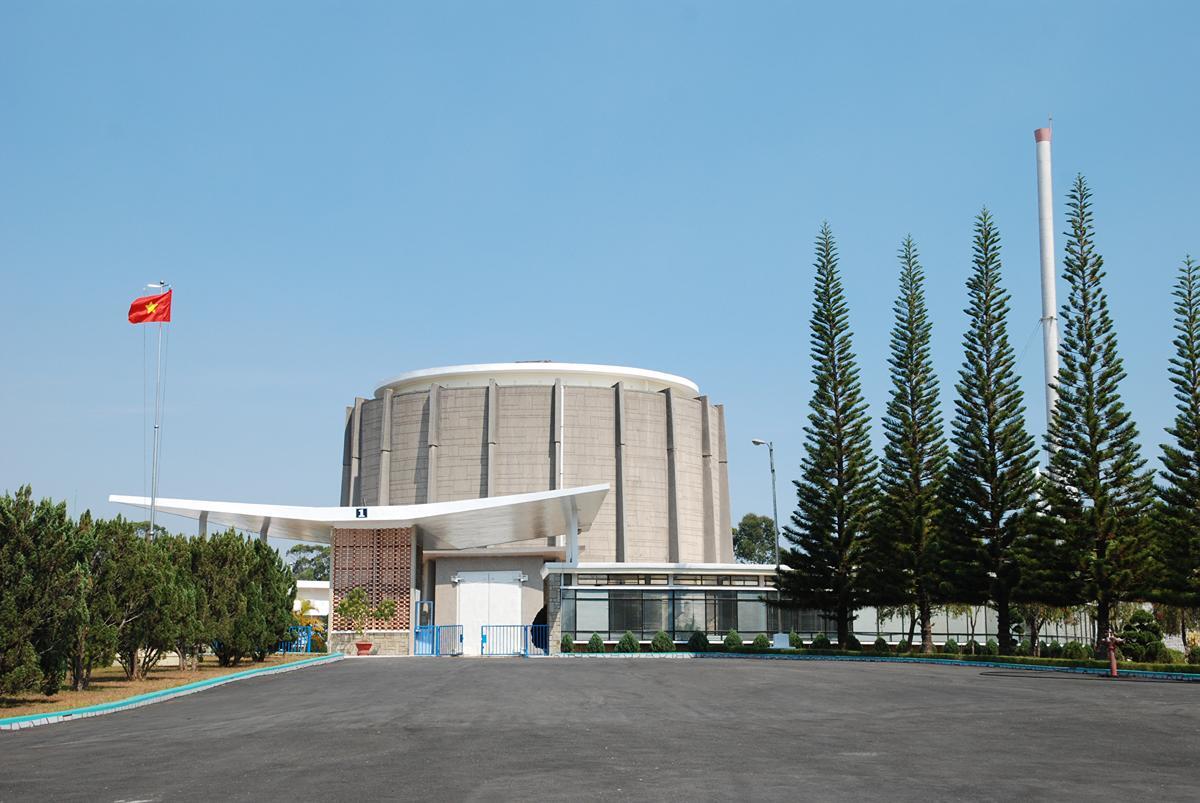
On March 23, 2026, during Vietnamese Prime Minister Pham Minh Chinh's official visit to Moscow, Rosatom CEO Alexey Likhachev and Vietnamese Minister Tran Van Son signed an intergovernmental agreement to construct the Ninh Thuan1 NPP. The plant will feature two VVER1200 reactors with a total capacity of 2,400 MW, based on the Leningrad NPP2 reference design. Rosatom will also help build a Nuclear Science and Technology Centre in Vietnam, including a Russian designed research reactor.
Beyond the plant itself, the agreement strengthens Vietnam's energy independence, reduces dependence on fossil fuels, and supports the country's long-term energy transition strategy. The cooperation also includes training of highly qualified personnel, exchange of international experience in nuclear and radiation safety, and environmental protection.
Higher Education: The True Foundation of the Partnership
Russia's contribution to Vietnam's development goes far beyond technology transfer it is deeply rooted in higher education cooperation.
2026 has been officially designated as the Cross Year of Science and Education Cooperation between Russia and Vietnam. This reflects both nations' commitment to expanding collaboration in research, training, and academic mobility.
Vietnam has set ambitious targets for workforce preparation. The government's Project 1012 aims to train nearly 4,000 personnel for the Ninh Thuan nuclear plants by 2030, with over 2,000 requiring university level qualifications. Eleven Vietnamese institutions have been selected for this task. Russia plays a central role in meeting this demand.
Over 400 Vietnamese specialists have already been trained in nuclear physics and reactor engineering at Russian universities including MPEI (National Research University "Moscow Power Engineering Institute") and MEPhI (National Research Nuclear University). Every summer, Vietnamese students intern at Russian nuclear power plants, gaining handson experience in advanced technological environments.
Beyond nuclear education, Russia and Vietnam have established a Russia-Vietnam Consortium of Economic Universities, cofounded by the Financial University under the Government of the Russian Federation and the Ho Chi Minh City University of Economics. Since its launch in September 2024, the consortium has implemented academic exchange programs involving over 100 Russian and Vietnamese students annually, developed double degree programs, and organized four major scientific conferences.
Research, Innovation & Institutional Ties
Key Russian universities have deepened their engagement with Vietnam:
A Model of Trusted Partnership
Russia remains a trusted partner in Vietnam's sustainable growth in energy, industry, and human capital development. The educational dimension, in particular, is not an afterthought but a core pillar of this longterm relationship. Through scholarships, joint research, and direct training, Russia is helping build the workforce that will operate Vietnam's nuclear future.
Interested in getting more information? Learn more at https://rosatomnewsletter.com/2026/04/20/vietnam-embraces-atoms/
Ninh Thuan1: A Flagship Energy Project
On March 23, 2026, during Vietnamese Prime Minister Pham Minh Chinh's official visit to Moscow, Rosatom CEO Alexey Likhachev and Vietnamese Minister Tran Van Son signed an intergovernmental agreement to construct the Ninh Thuan1 NPP. The plant will feature two VVER1200 reactors with a total capacity of 2,400 MW, based on the Leningrad NPP2 reference design. Rosatom will also help build a Nuclear Science and Technology Centre in Vietnam, including a Russian designed research reactor.
Beyond the plant itself, the agreement strengthens Vietnam's energy independence, reduces dependence on fossil fuels, and supports the country's long-term energy transition strategy. The cooperation also includes training of highly qualified personnel, exchange of international experience in nuclear and radiation safety, and environmental protection.
Higher Education: The True Foundation of the Partnership
Russia's contribution to Vietnam's development goes far beyond technology transfer it is deeply rooted in higher education cooperation.
2026 has been officially designated as the Cross Year of Science and Education Cooperation between Russia and Vietnam. This reflects both nations' commitment to expanding collaboration in research, training, and academic mobility.
Vietnam has set ambitious targets for workforce preparation. The government's Project 1012 aims to train nearly 4,000 personnel for the Ninh Thuan nuclear plants by 2030, with over 2,000 requiring university level qualifications. Eleven Vietnamese institutions have been selected for this task. Russia plays a central role in meeting this demand.
Over 400 Vietnamese specialists have already been trained in nuclear physics and reactor engineering at Russian universities including MPEI (National Research University "Moscow Power Engineering Institute") and MEPhI (National Research Nuclear University). Every summer, Vietnamese students intern at Russian nuclear power plants, gaining handson experience in advanced technological environments.
Beyond nuclear education, Russia and Vietnam have established a Russia-Vietnam Consortium of Economic Universities, cofounded by the Financial University under the Government of the Russian Federation and the Ho Chi Minh City University of Economics. Since its launch in September 2024, the consortium has implemented academic exchange programs involving over 100 Russian and Vietnamese students annually, developed double degree programs, and organized four major scientific conferences.
Research, Innovation & Institutional Ties
Key Russian universities have deepened their engagement with Vietnam:
- Hanoi Un iversity of Science and Technology (HUST) a leading partner in nuclear and engineering education welcomed a Russian delegation in September 2025 to enhance cooperation in education, science, and technology. HUST is also home to an Information Centre for Nuclear Energy (ICONE) established with Rosatom's support.
- Tomsk Polytechnic University (TPU) has become a central hub for Vietnamese nuclear training. In June 2025, a delegation from the Vietnam Atomic Energy Institute (VINATOM) visited TPU and toured its research nuclear reactor and laboratories. The Vietnamese side noted that about 1,900 people need to be trained for the first nuclear power plant and approximately 300 for the future Nuclear Research and Technology Centre. TPU's infrastructure including an operating research reactor, silicon doping and nuclear medicine projects, and advanced safety systems laboratories was presented as a model for systematic personnel training.
- In October 2025, Rosatom, together withRussian technical universities, held an International Day of Russian Technical Education in Hanoi. Vietnamese students participated in virtual tours of Russian academic laboratories, including a VVER reactor simulator, robotics labs, and virtual reality facilities for oil and gas applications.
- The Russian Presidential Academy of National Economy and Public Administration (RANEPA) has also partnered with HUST to exchange best practices in applying modern technology to public administration.
A Model of Trusted Partnership
Russia remains a trusted partner in Vietnam's sustainable growth in energy, industry, and human capital development. The educational dimension, in particular, is not an afterthought but a core pillar of this longterm relationship. Through scholarships, joint research, and direct training, Russia is helping build the workforce that will operate Vietnam's nuclear future.
Interested in getting more information? Learn more at https://rosatomnewsletter.com/2026/04/20/vietnam-embraces-atoms/